Maintaining the right pH level in a swimming pool is one of the most important steps to keep the water clean, safe, and comfortable for swimmers. pH is a measure of how acidic or alkaline the water is, and even small changes can affect everything from water clarity to the effectiveness of sanitizing products. When the pH is out of balance, the entire pool system begins to suffer.
A proper pH level ensures that chlorine works efficiently to kill bacteria and prevent algae growth. If the pH becomes too high, chlorine loses its strength, allowing contaminants to multiply and making the water appear cloudy or dull. On the other hand, when the pH drops too low, the water becomes corrosive, damaging pool surfaces, metal components, pumps, and filtration systems. Low pH can also cause skin and eye irritation, making swimming uncomfortable and potentially unsafe.
Keeping the pH within the ideal range also helps protect the pool’s long‑term structure. Balanced water prevents scale buildup, reduces staining, and keeps tiles, liners, and equipment in good condition. For homeowners and commercial pool operators, this means fewer repairs, lower maintenance costs, and a longer lifespan for the entire system.
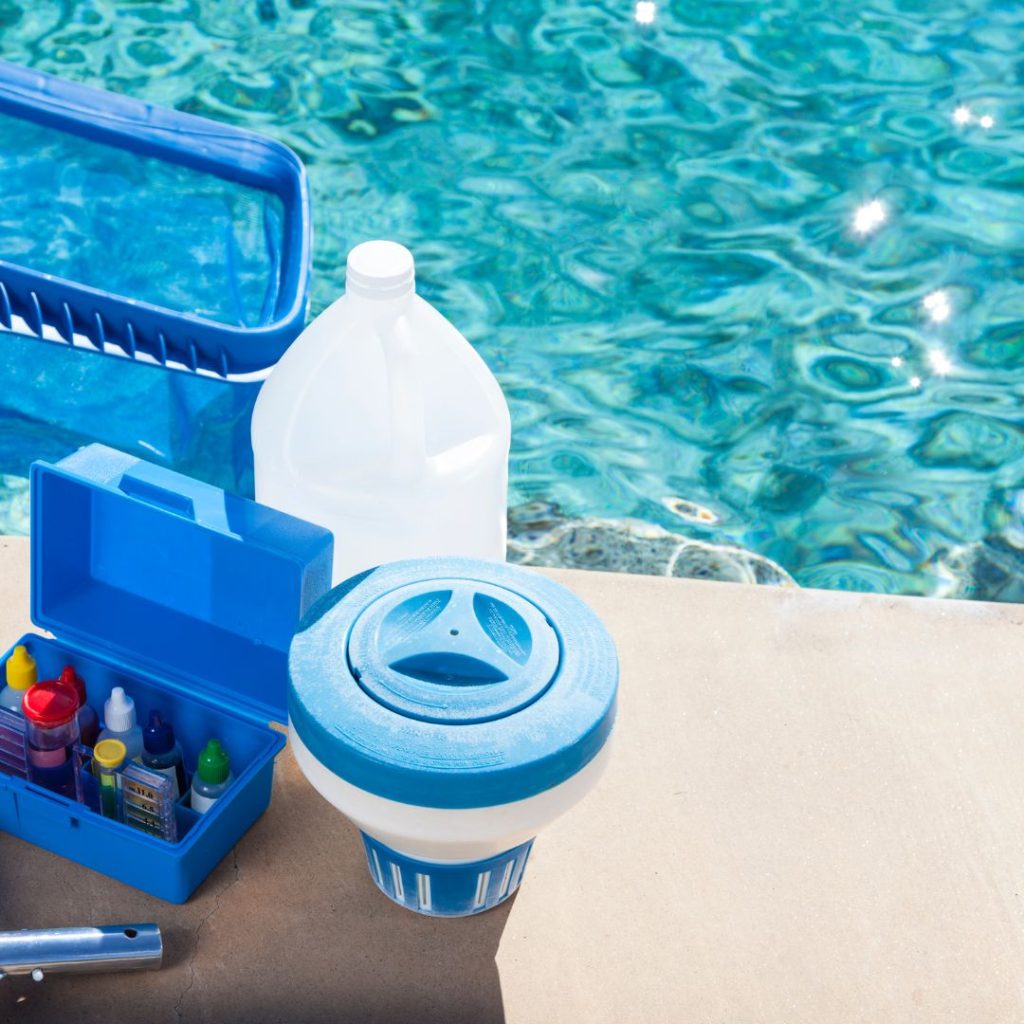
Regular testing is essential to maintain proper pH levels. Using reliable test kits or digital meters allows pool owners to monitor changes and make adjustments quickly. When the pH rises, pH reducers help bring it back to normal. When it drops, pH increasers restore balance. Consistent monitoring ensures that the water remains stable, clear, and safe throughout the season.
Understanding and controlling pH is not just a technical detail—it is the foundation of effective pool care. Balanced water improves swimmer comfort, protects equipment, enhances sanitation, and keeps the pool looking its best. For anyone responsible for a pool, mastering pH management is one of the smartest and most impactful steps toward maintaining a healthy and enjoyable swimming environment.